Selling a historic home is rarely a standard listing job. In Hancock Park and the broader Larchmont area, your home’s age, architecture, lot presentation, and preservation status can all shape pricing, prep, disclosures, and timing. If you want to protect value and avoid surprises, it helps to understand what matters before you go live. Let’s dive in.
Why historic-home sales are different
In Hancock Park, historic character is part of the asset. The neighborhood is an official Los Angeles Historic Preservation Overlay Zone, or HPOZ, known for its 1920s subdivision pattern, large Period Revival homes, deep front setbacks, and features like side driveways and porte-cochères.
That context matters when you sell. Buyers are often responding to more than square footage or finishes. They are also weighing architectural integrity, curb appeal, the front garden, and how the house relates visually to the lot and street.
The Larchmont area needs a more precise read. City Planning identifies Larchmont Village as a pedestrian-oriented neighborhood district, but the area is not one uniform preservation category, and the commercial stretch of Larchmont Boulevard was excluded from the Windsor Square HPOZ boundary.
That means you should verify your property’s status before making plans. Two homes that seem close together can fall under different review rules, and that can affect what you do before listing.
Confirm your property’s preservation status
Before you schedule repairs or cosmetic upgrades, confirm whether your property is in an HPOZ and whether it is considered a contributing structure. This is one of the most important early steps because preservation review can affect both budget and listing timeline.
Los Angeles states that exterior work proposed in an HPOZ, including landscaping, alterations, additions, and new construction, is subject to added review. In Windsor Square, the preservation plan states that any work involving the exterior of a property requires review, even when no building permit is needed.
Interior alterations that do not change the exterior are generally exempt. For many sellers, that makes interior-only updates and clearly conforming maintenance the lower-friction path before bringing a home to market.
Why early review saves time
The Windsor Square preservation plan encourages owners to consult with HPOZ staff or the board before full plans are developed. That guidance is helpful for sellers because it can reduce delays and keep you from spending money on work that may need revision.
If you are considering exterior painting changes, landscape redesign, window work, entry changes, or visible facade updates, it is smart to verify the review path first. Even small visible changes can matter in historic settings where the public-facing appearance is part of the neighborhood character.
Focus on the right pre-listing improvements
With a historic home, not every update adds value in the same way. The goal is usually not to make the property feel brand new. The goal is to present it as well cared for, functional, and true to its architecture.
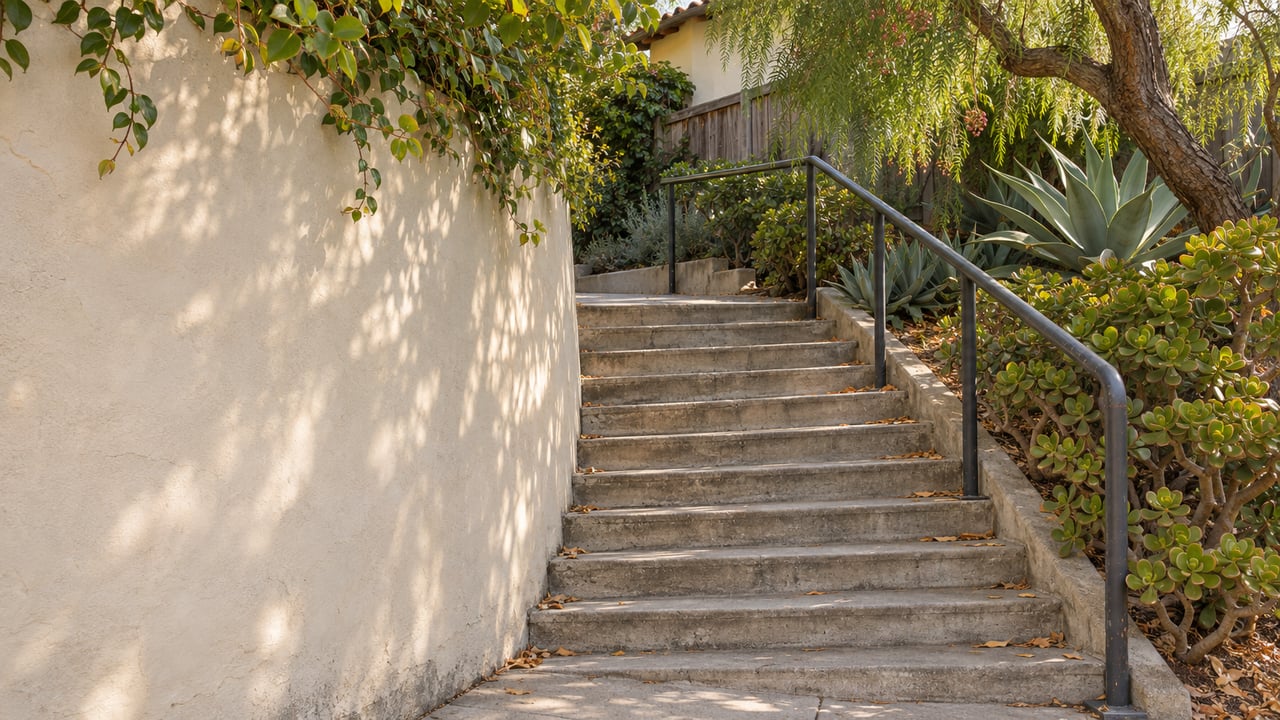
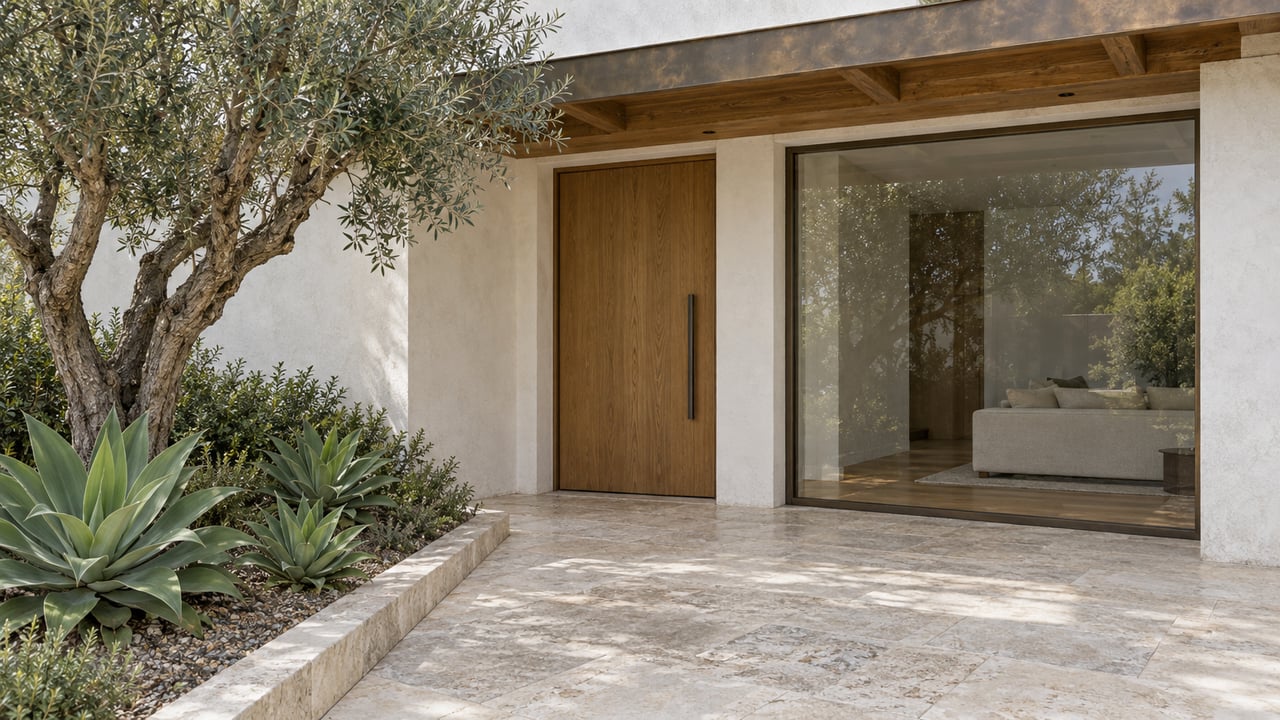
In Hancock Park especially, exterior presentation carries real weight. Because the neighborhood’s official description highlights broad setbacks and Period Revival architecture, the sequence from the street to the front entry can shape a buyer’s first impression in a big way.
Best bets before listing
Consider improvements that support presentation without erasing original character:
- Refresh landscaping and front-garden maintenance
- Repair deferred maintenance that affects appearance or function
- Prioritize interior updates that do not alter the exterior
- Keep original millwork, fireplaces, tile, and floors visible
- Avoid over-modern finishes that compete with the architecture
- Use furnishings that fit the scale and layout of older rooms
This approach tends to be safer from both a preservation and marketing standpoint. It also helps buyers see authenticity, which is often part of the appeal of an older home.
Price the home as a unique asset
Historic homes are rarely commodities. A neighborhood headline price can offer context, but it should not drive your pricing strategy on its own.
Current portal snapshots show Hancock Park with a median listing price of $2.79 million, 56 median days on market, and a 98% sale-to-list ratio. Larchmont shows a median listing price of $1.72 million, 33 median days on market, and a 96% sale-to-list ratio. Both are described as balanced markets.
Those numbers are useful as a backdrop, but they do not tell the full story of your home. In these pockets of central Los Angeles, pricing should be based on comparable sales and your property’s specific mix of architecture, lot size, condition, permitted additions, preservation status, and any tax or regulatory advantages.
What buyers are really comparing
When buyers evaluate a historic home, they often compare details that broad market averages miss, such as:
- Architectural integrity
- Original details that remain intact
- Quality and age of major systems
- Lot layout and street presence
- Documentation for additions or improvements
- Prior preservation approvals
- Overall condition and livability
A clean, property-specific comp set usually matters more than a broad zip code average. That is especially true when homes vary widely in condition, updates, and historic character.
Build a disclosure package early
Historic homes still follow standard California disclosure rules, and being organized early can help your sale move more smoothly. The California Department of Real Estate states that the Transfer Disclosure Statement applies to most one-to-four unit residential transfers and is used to disclose known material conditions.
The same booklet explains that a Natural Hazard Disclosure must identify applicable flood, dam-inundation, very high fire hazard severity, wildland fire, earthquake fault, and seismic hazard zones. These are standard parts of the process, but they become even more important when buyers are evaluating an older property with more questions.
For pre-1978 homes, sellers must also follow federal lead-based paint disclosure rules. That includes disclosing known lead information and available reports, delivering the lead-hazard pamphlet before sale, and giving the buyer an opportunity to inspect.
Documents worth gathering now
If you want to reduce friction once buyers begin reviewing the file, gather key records before listing:
- Transfer Disclosure Statement information
- Natural Hazard Disclosure information
- Lead-based paint records and reports, if applicable
- Permits for prior work
- Prior HPOZ approvals, if any
- A list of significant repairs and upgrades
- Records for system replacements or improvements
- Mills Act or historic designation paperwork, if applicable
A complete package does more than satisfy requirements. It also helps answer buyer questions quickly and supports confidence during escrow.
Use staging that respects the architecture
Historic-home marketing works best when it highlights atmosphere, scale, and detail. Buyers often respond to how a home feels, not just how it measures.
National Association of Realtors staging research found that 81% of buyers’ agents said staging made it easier for buyers to visualize a future home. The same research found that 40% said buyers were more willing to walk through a home they saw online, and 34% said staging can positively affect value when the decor matches buyer taste.
For room priorities, the living room, primary bedroom, and kitchen ranked as the most important spaces to stage. For historic homes, that does not mean filling rooms with trendy decor. It usually means using a restrained plan that complements the architecture rather than competing with it.
Historic staging tips that usually work
A thoughtful staging plan often includes:
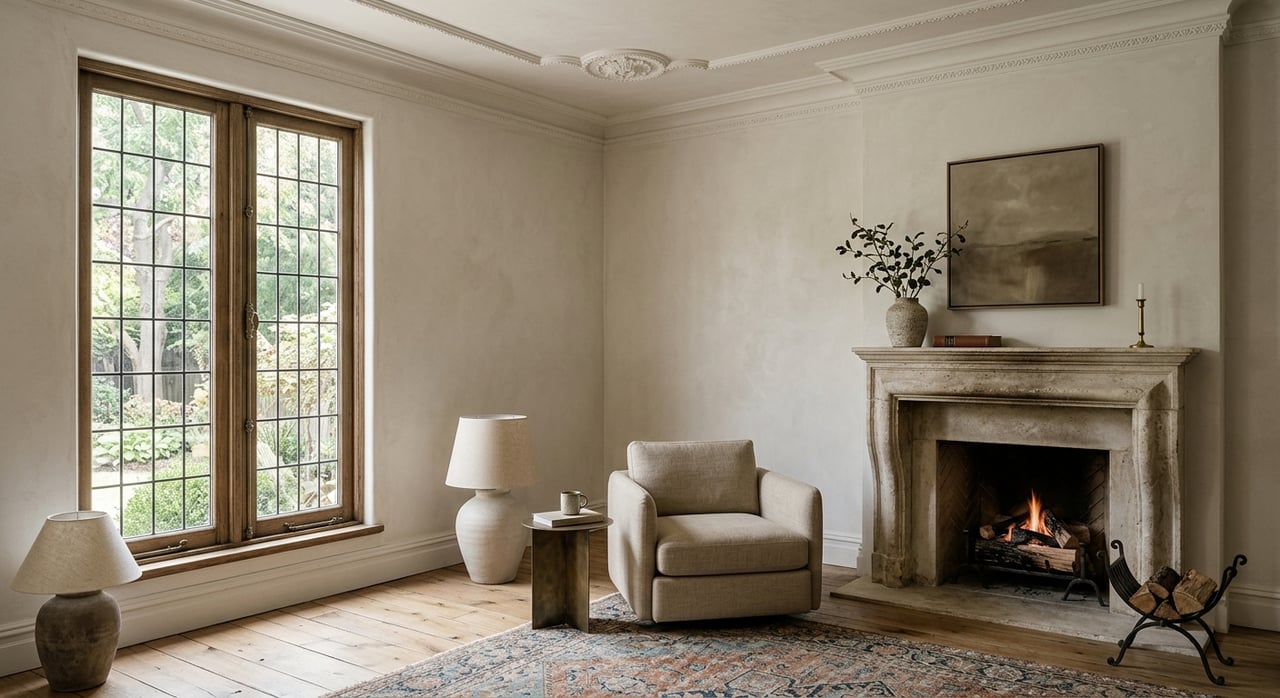
- Clean sightlines to fireplaces, moldings, and original tile
- Furniture scaled to older room proportions
- Neutral, calm color palettes
- Minimal visual clutter
- Strong lighting and polished presentation in key rooms
- Professional photography, video, and virtual tours
That last point matters. The same staging research found that photos, physical staging, and video are especially important to clients. For an architecturally notable home, strong visuals can communicate mood, flow, and character long before a showing is scheduled.
Expect a different buyer conversation
A common seller question is whether historic status makes a home harder to sell. Not necessarily. It usually means the buyer pool is more specific, and those buyers tend to care deeply about documentation, condition, approval history, and authentic presentation.
In other words, the sales process may require more nuance, but not less demand. Well-positioned historic homes can stand out precisely because they offer something that newer inventory cannot replicate.
That is where a detailed, neighborhood-specific strategy matters. When pricing, prep, and marketing all reflect the reality of Hancock Park and the Larchmont area, you give buyers a clearer story and give yourself a smoother path to market.
If you are thinking about selling a historic or architecturally significant home in Hancock Park or near Larchmont, the right plan starts with property-specific review, thoughtful preparation, and precise positioning. For a personalized valuation and strategy tailored to your home, connect with The Kostrey + Eckert Collection.
FAQs
What should sellers check first before selling a historic home in Hancock Park?
- Confirm whether your property is in an HPOZ, whether it is a contributing structure, and whether any planned exterior work may require review.
Can you make exterior repairs before listing a historic home in Hancock Park or near Larchmont?
- Possibly, but exterior work in an HPOZ may be subject to review, so it is best to verify whether the work is exempt or reviewable before starting.
What disclosures are common when selling an older home in Hancock Park?
- Sellers commonly need to prepare Transfer Disclosure Statement information, Natural Hazard Disclosure information, and lead-based paint disclosures for pre-1978 homes, along with permits and records of major work.
Does historic status make a Larchmont-area home harder to sell?
- Not necessarily. Historic status usually changes the buyer pool and makes documentation, approval history, pricing, and presentation more important.
How should you stage a historic home in Hancock Park?
- Use a light, strategic approach that highlights original details, respects room scale, keeps decor restrained, and supports strong photography, video, and in-person presentation.