Selling a hillside home in the Hollywood Hills is rarely as simple as fresh paint, great photos, and a launch date. Buyers tend to look closely at access, permits, drainage, outdoor usability, and wildfire-related factors, and you may already know that these details can shape both value and buyer confidence. If you want a smoother sale, stronger positioning, and fewer surprises during escrow, preparation matters. Let’s dive in.
Why hillside homes need a different plan
A Hollywood Hills property is influenced by more than square footage and views. Terrain, slope, driveway design, retaining walls, drainage, and street access can all affect how a buyer experiences the home and how a lender, inspector, or advisor evaluates risk.
In Los Angeles, hillside work often involves separate city review for grading, drainage, retaining walls, and access. LADBS notes that grading permits are required for earthwork in the Hillside Grading Area, and soils or geology reports are usually required before a permit is issued. That means your prep work should focus as much on documentation and clarity as on appearance.
Start with your property records
Before your home hits the market, it helps to build a clean seller file. Buyers often want answers quickly, and having records ready can reduce uncertainty and keep momentum on your side.
Useful city tools include ZIMAS, LADBS Permit and Inspection Report resources, LADBS online building records, and NavigateLA. LADBS also states that permits and inspections provide important documentation when a homeowner sells or refinances.
Documents worth gathering early
If available, try to assemble records for improvements that are common on hillside lots, including:
- Final permits for decks, stairs, retaining walls, gates, driveways, and drainage improvements
- Any survey or topographic map
- Any geotechnical or soils report
- Records related to brush clearance or fire access
- Permit history and inspection records tied to additions or alterations
This step is especially important for older hillside work. The city’s hillside guidance shows that slope analysis and related documentation can be part of city review, so complete records can make it easier to answer buyer questions with confidence.
Check access, driveway function, and parking
In the Hollywood Hills, the arrival experience is not a minor detail. Access can affect daily convenience, guest use, moving logistics, and emergency response.
LAFD reviews access using factors such as street and fire lane width, turnarounds, turning radii, grade access points, overhead clearances, load capacity, parking restrictions, and secured entrances. Security gates also matter. LAFD says gates may not reduce required roadway width below 20 feet free and clear.
What buyers tend to notice
When you prepare for sale, be ready to present realistic information about how the property works in real life, such as:
- Garage clearances
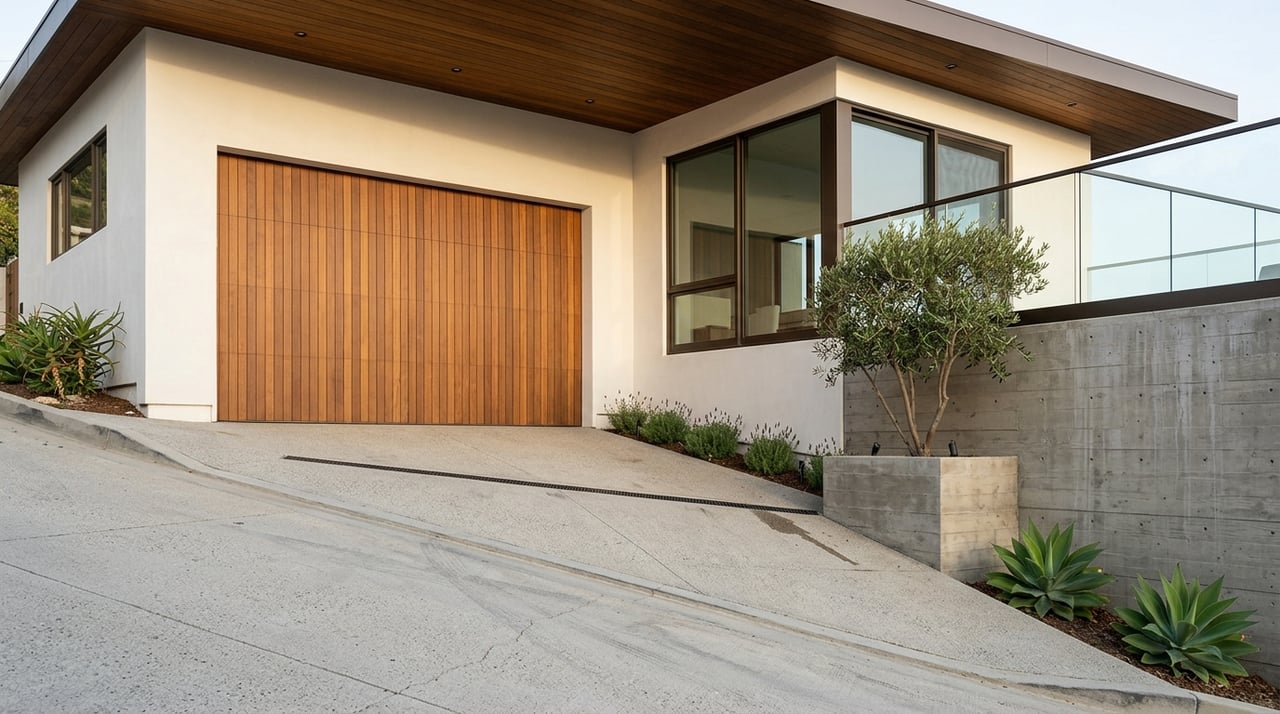
- Driveway turning room
- Street approach and ease of entry
- Guest parking reality
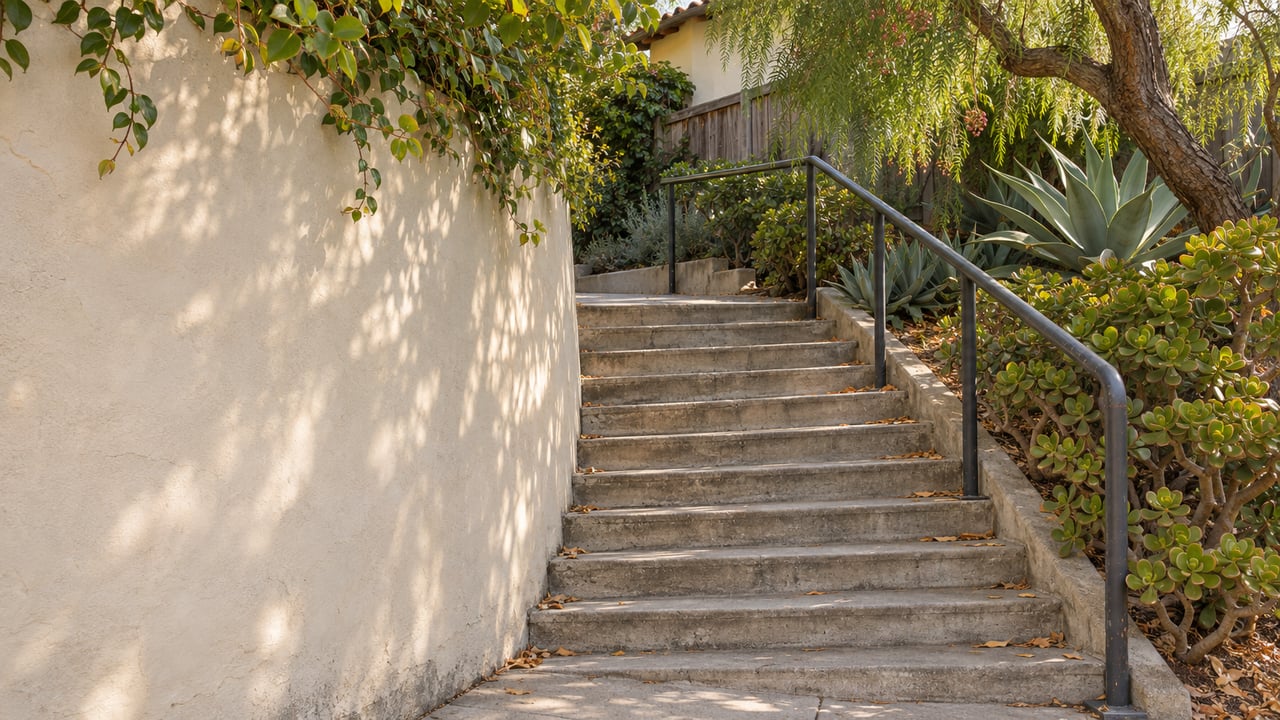
- Stair routes from parking to the main living areas
Some one-family dwellings and additions on substandard hillside streets can also trigger added street-access and parking standards. Even if you are not making improvements now, understanding how your property functions can help shape pricing, disclosures, and marketing.
Review slopes, retaining walls, and drainage
On a flat lot, buyers may focus mostly on interiors. On a hillside lot, they often pay close attention to the land itself and to the systems that manage it.
If your property has retaining walls, shoring, grading work, or drainage improvements, gather the permit trail and any repair history you have. LADBS requires plan check before many permits are issued for retaining walls and shoring plans, and the Bureau of Engineering notes that hillside retaining walls can require added permits and structural review, especially near the public right-of-way.
Questions to answer before listing
It helps to know the basics of your property story before a buyer asks. For example:
- When were retaining walls or drainage systems installed or repaired?
- Were permits issued and finalized?
- Have you noticed recurring runoff, erosion, or drainage issues?
- Are there invoices, reports, or contractor records tied to past work?
You do not need a perfect property to sell successfully. You do need a clear, organized picture of what is known.
Treat wildfire prep as presentation and disclosure
In hillside communities, exterior maintenance is about more than curb appeal. Vegetation management can affect how the property shows, how buyers perceive upkeep, and what must be discussed during a sale.
California Government Code Section 51182 requires defensible space of 100 feet from structures in a very high fire hazard severity zone, subject to the statute and local rules. LAFD’s Fire Zone guidance also notes AB38-related disclosures for buyers of residential property in those zones and points owners to brush-clearance and home-hardening resources.
Smart pre-listing wildfire steps
Before listing, consider:
- Confirming whether the parcel is in a very high fire hazard severity zone or other mapped hazard area
- Reviewing any brush-clearance notices or related correspondence you have received
- Tidying vegetation and outdoor areas so the property feels maintained and accessible
- Organizing any records tied to fire access or mitigation work
This is not just a maintenance issue. It is part of how your home is presented and understood.
Prepare for California disclosure requirements
A strong listing strategy includes a thoughtful disclosure review early in the process. In California, the Real Estate Transfer Disclosure Statement applies to sales of single-family residential property and is a disclosure of condition, not a warranty.
California law also states that this framework does not change the duty to disclose facts that materially affect value and desirability, including physical conditions and previously received inspection reports. For a hillside home, that can include known issues related to access, drainage, retaining walls, settlement, or unpermitted work.
Natural hazard disclosures matter here
The Natural Hazard Disclosure Statement covers earthquake fault zones, seismic hazard zones, very high fire hazard severity zones, and wildland fire areas. If a hazard map is not accurate enough for a reasonable person to tell whether a parcel is in the zone, the seller or agent must mark Yes unless a qualifying report verifies otherwise.
For Hollywood Hills sellers, this is often one of the most important legal buckets in the transaction. Reviewing these items before launch can help you avoid rushed decisions once an offer is in hand.
Focus on usable outdoor space
Outdoor space often carries a premium in the Hollywood Hills, but buyers usually want more than a beautiful photo. They want to understand how the home lives day to day.
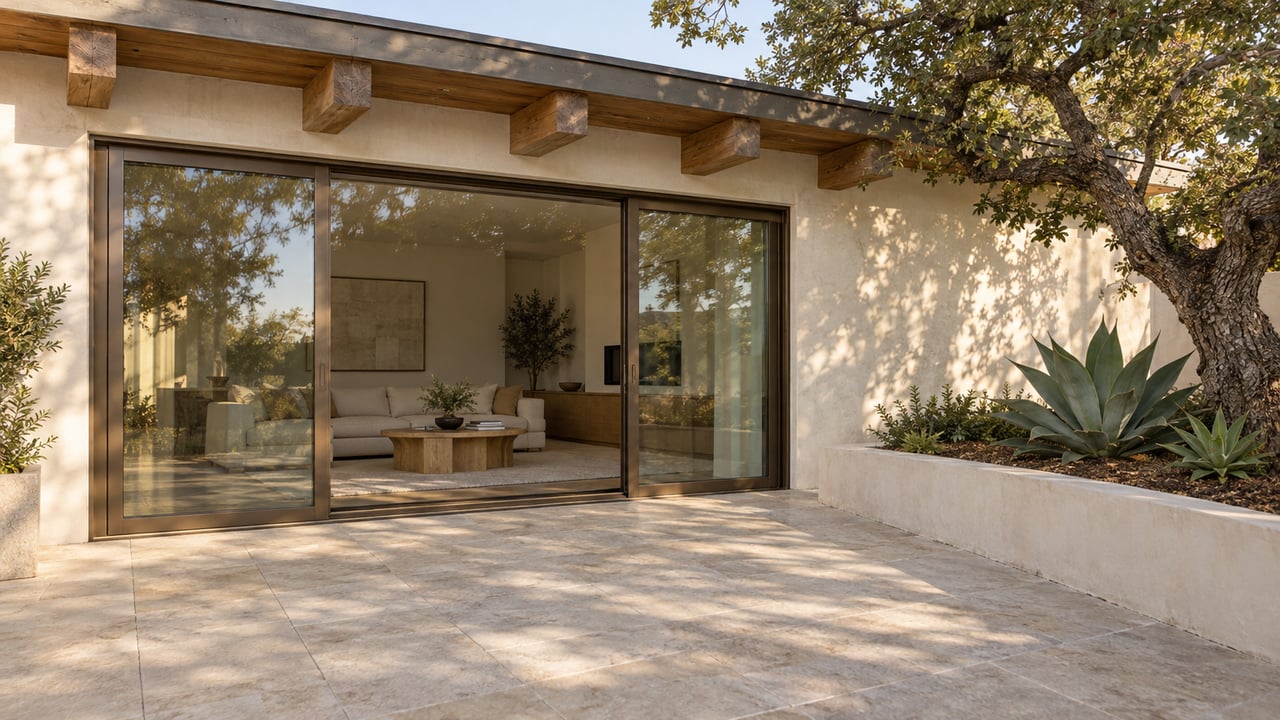
On a hillside lot, terraces, stairs, seating areas, and flat usable zones should be presented as functional features. Buyers may ask how easy it is to move between levels, where people gather, how the view connects to the main living spaces, and whether the outdoor areas feel practical to maintain.
What to highlight in marketing
For hillside properties, strong presentation often includes:
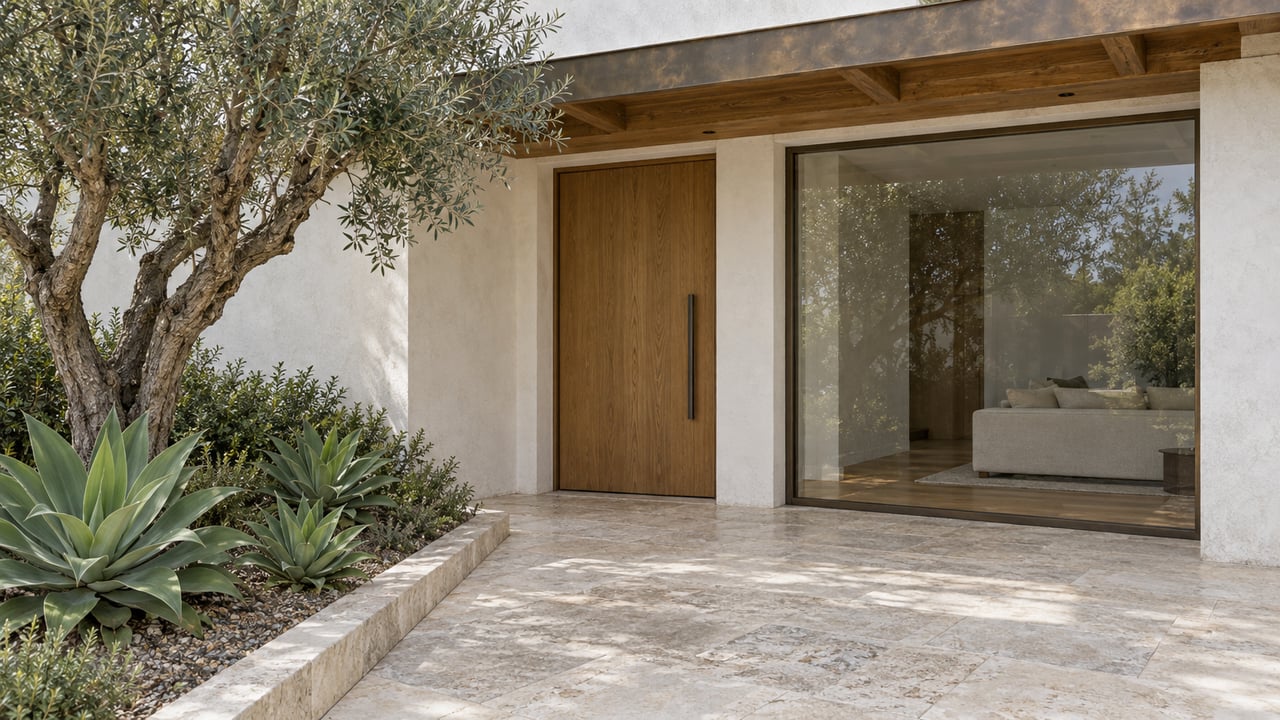
- The full arrival sequence from street to entry
- The relationship between garage, driveway, and front door
- Main terraces and usable flat areas
- Stair connections between outdoor living zones
- The actual view experience from primary rooms
This kind of marketing helps buyers picture ownership more clearly, which can reduce friction and support stronger interest.
Price against true hillside comparables
Pricing a hillside home requires nuance. A flat-lot sale nearby may not be a useful comparison if your property has different constraints, better usability, or a more complex access story.
A smarter approach is to compare your home with similarly constrained hillside properties and account for factors such as permit status, parking reality, outdoor usability, retaining-wall complexity, and fire-hardening considerations. These details can materially change a buyer’s sense of cost, effort, and risk.
Why pricing precision matters
If the price ignores buyer friction, the listing can sit while questions pile up. If the price reflects both lifestyle value and practical realities, buyers are more likely to engage with confidence.
That is especially true in the Hollywood Hills, where two homes with similar square footage can feel very different once driveway access, stairs, terraces, and documentation come into play.
Build a smoother path to escrow
The best pre-listing strategy for a Hollywood Hills hillside home is usually proactive, not reactive. When you organize records, clarify access, review disclosures, and present the outdoor experience honestly, you make it easier for buyers to say yes.
You also create a stronger foundation for pricing, marketing, inspections, and negotiation. In a market where details matter, thoughtful preparation can protect value and shorten the distance between listing day and a clean close.
If you are getting ready to sell a hillside home in the Hollywood Hills, The Kostrey + Eckert Collection can help you build a smart, detail-driven plan with concierge-level guidance, local market insight, and tailored valuation support.
FAQs
What records should you gather before selling a Hollywood Hills hillside home?
- Start with permit and inspection records, plus any available surveys, topographic maps, geotechnical reports, and documents for decks, stairs, retaining walls, gates, driveways, drainage improvements, and brush-clearance or fire-access correspondence.
What access issues matter when selling a Hollywood Hills hillside property?
- Buyers often focus on driveway turning room, garage clearances, guest parking, stair routes, and how the home functions for daily living and emergency access.
What should you disclose about a Hollywood Hills hillside home?
- You should review known physical conditions that may affect value or desirability, including access, drainage, retaining walls, settlement, past repairs, unpermitted work, and any applicable hazard-area information.
Why do permits matter for a Hollywood Hills hillside sale?
- Permit records can help verify that improvements like decks, walls, gates, drainage systems, and other alterations were properly reviewed and finalized, which can reduce buyer uncertainty.
How should you price a hillside home in the Hollywood Hills?
- Pricing should be based on comparable hillside properties and account for factors like access, parking, usability, permit status, outdoor function, and other ownership considerations that may not show up in flat-lot comparisons.