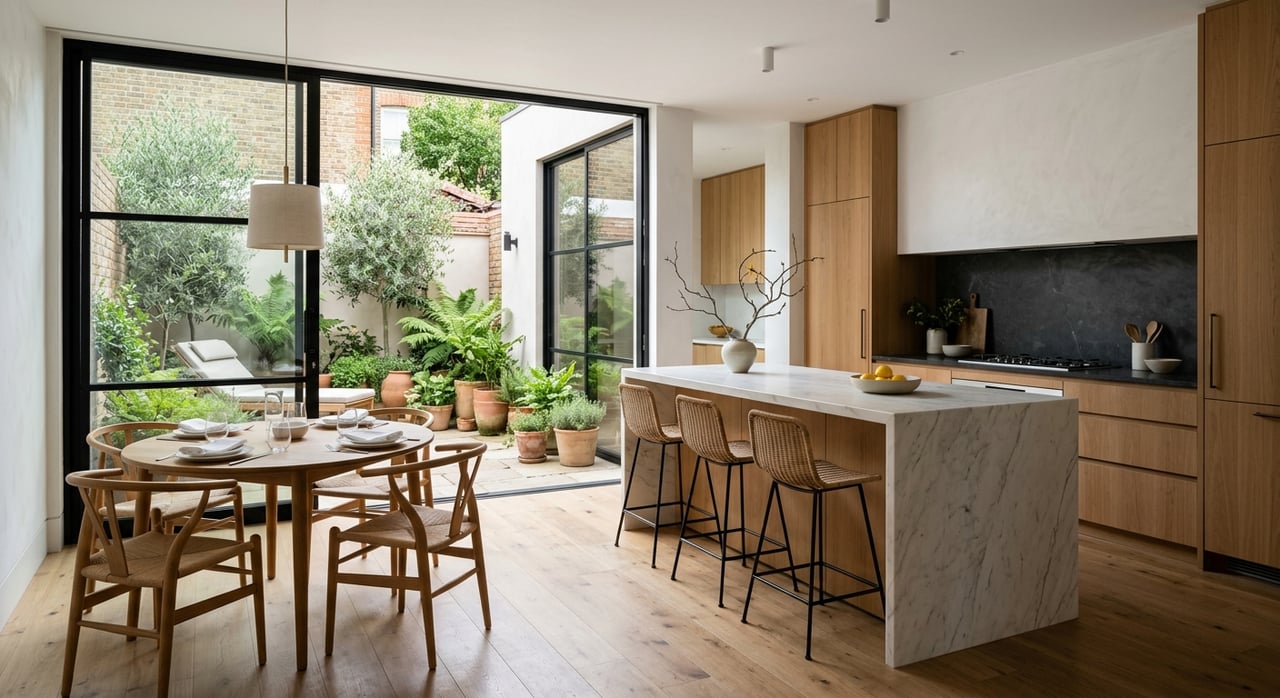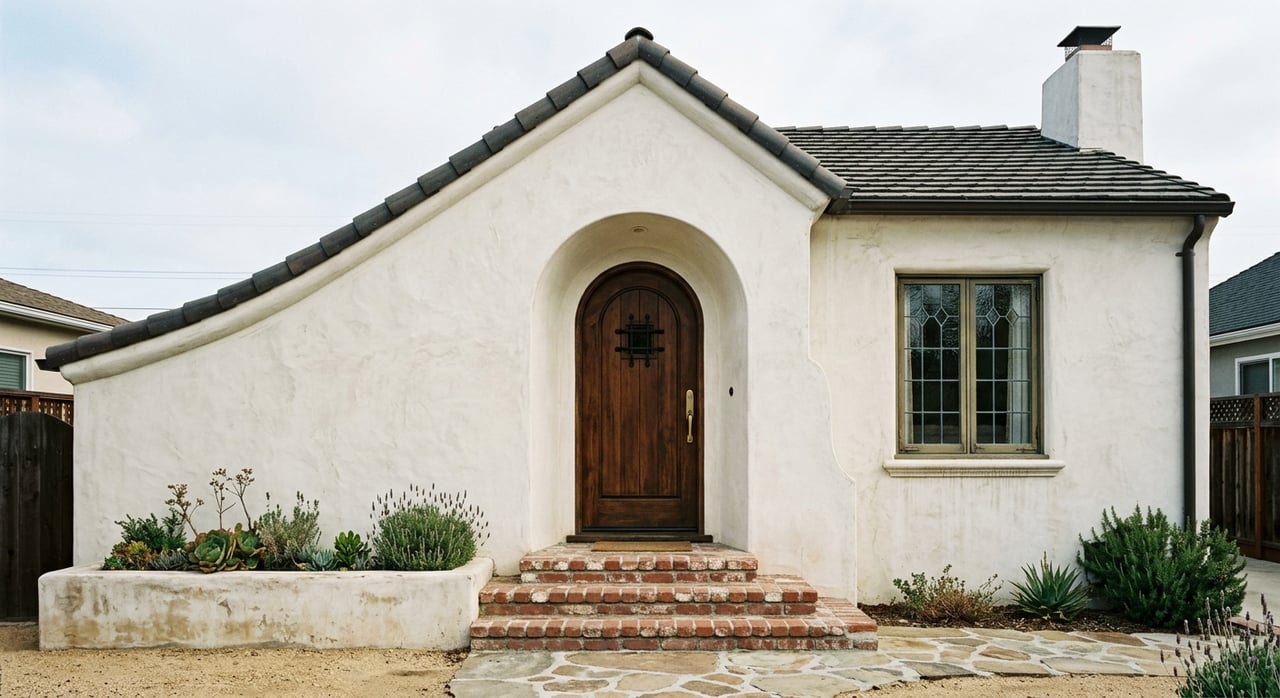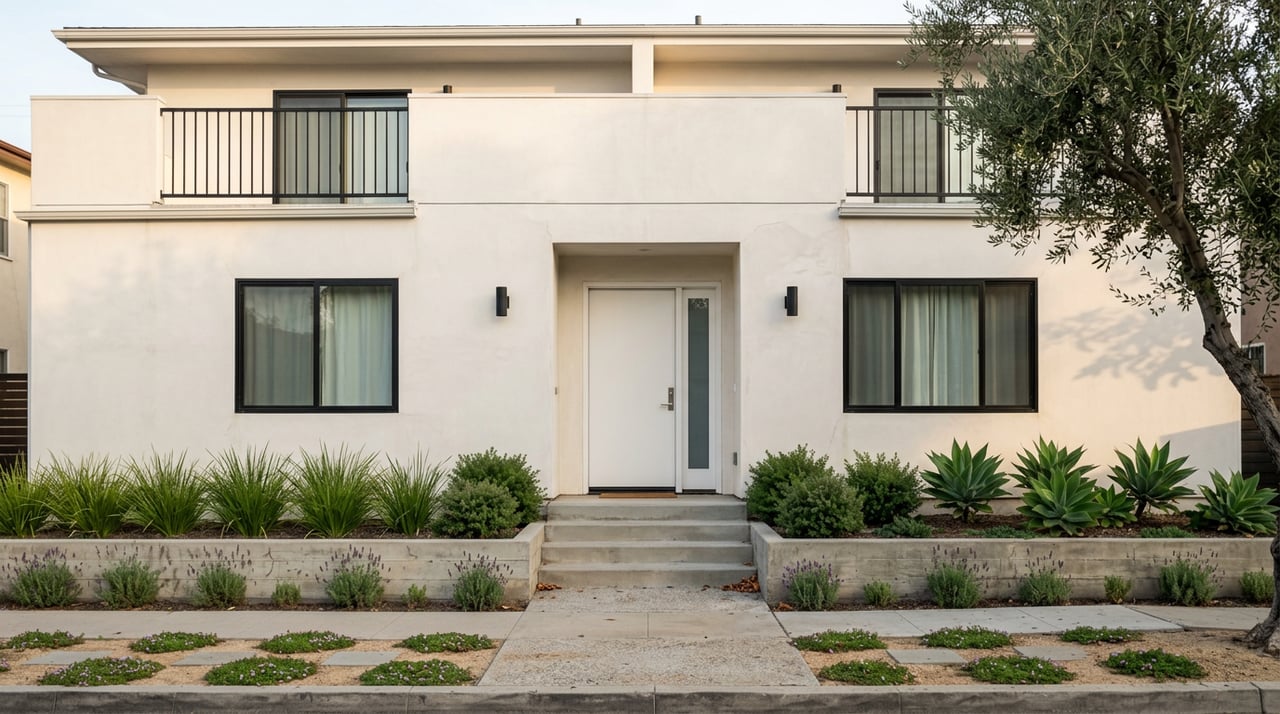
Thinking about house hacking or building a small portfolio in Northeast LA? Duplexes and fourplexes in 90065 can offer income, flexibility, and long‑term upside if you underwrite them the right way. You want clear numbers, fewer surprises during inspections, and a path through LA’s rent rules. This guide gives you a practical playbook to evaluate NELA 2–4 unit properties with confidence. Let’s dive in.
Why NELA 2–4 units belong on your shortlist
NELA blends strong neighborhood appeal with relative value compared to some nearby Eastside hotspots. You’ll find character properties, hillside outlooks, and access to dining and transit, all of which support steady demand. Highland Park and Eagle Rock anchor the area, with Mount Washington and Glassell Park offering hillside pockets and varied housing stock.
From an investment lens, Los Angeles multifamily cap rates ticked up in 2025, centering in the mid‑5 percent range. According to the latest market insights, the LA average multifamily cap rate was about 5.6 percent in 2025, with notable variation by submarket and asset class (NorthMarq Q4 2025). NELA often trades at a modest discount to premium Eastside corridors while still commanding healthy pricing relative to more distant submarkets.
On the rent side, neighborhood indices show Highland Park asking rents near the broader LA average, with modest recent year‑over‑year increases (RentCafe neighborhood snapshot). City planning benchmarks also map NELA neighborhoods within LA rent‑per‑square‑foot tiers, useful when you compare micro‑areas or test assumptions across properties (City Planning Appendix 3).
What the numbers look like in 90065
Market rents and cap rates
- Rents: Highland Park rents generally track the LA average, while Eagle Rock often sits at or slightly above broader NELA levels. Mount Washington and Glassell Park tend to follow similar ranges with more variation by unit finish and hillside location. Always confirm per‑unit market rent using live comps.
- Cap rates: Use the mid‑5 percent LA average as a reference point and then adjust for asset condition, unit mix, and exact location. Older buildings with deferred maintenance may trade higher; turnkey assets in top pockets often price lower (NorthMarq Q4 2025).
A quick underwriting template
Use this simple sequence to size up a duplex or fourplex:
Potential Gross Income (PGI)
- Confirm legal and contract rents vs. market. Collect rent rolls, leases, and deposits. Small‑residential appraisals for 2–4 unit buildings use Form 1025, and lenders want market rent support. When rental history is thin, underwriters often apply only a portion of contract rent for qualifying (Fannie Mae guidance on rental income).
Vacancy and credit loss
- Model 4–8 percent for a stabilized urban building. Assume more if you plan renovations or heavy turnover.
Other income
- Laundry, parking, storage, pet fees. Underwrite only what is sustainable at that property.
Operating expenses
- Vintage small multifamily typically falls in the 35–55 percent of Effective Gross Income range, depending on utilities, age, and management approach. Run sensitivities on taxes, insurance, and repairs.
Capital reserves and CapEx
- Budget recurring reserves plus larger projects: roof, plumbing, electrical, HVAC/water heaters, and any seismic or retrofit work. As a starting range, set aside about $250–$750 per unit per year and increase if inspections flag issues.
NOI, cap rate, and DSCR
- Derive NOI, test implied value at a submarket‑appropriate cap rate, and check DSCR against lender terms. The mid‑5 percent LA benchmark is a reference, not a rule; your subject’s condition and location drive the final number (NorthMarq Q4 2025).
Inspections that matter in NELA
Structure and seismic
Many NELA buildings predate 1978 and deserve careful structural review. Identify any “soft‑story” or other seismic conditions that could trigger mandatory retrofit. Verify whether a retrofit order exists and what work remains using city records and program guidance (LADBS soft‑story program). In hillside areas like Mount Washington, add a foundation and slope stability check to your scope.
Systems and safety
Older properties often have galvanized plumbing, older sewer laterals, or partial copper updates that need confirmation. Look for knob‑and‑tube wiring, undersized electrical panels, and shared systems that complicate maintenance. Test HVAC and water heaters in each unit and confirm whether utilities are separately metered. For pre‑1978 buildings, budget for potential lead‑based paint and asbestos remediation where present.
Code, permits, and historic exteriors
Ask your inspector and permit runner to flag unpermitted conversions, missing egress, or prior work that needs legalization. If the property sits in or near a historic overlay, exterior changes may require specific approvals. Align your renovation plan with what LADBS and planning will actually sign off on before you close.
Financing 2–4 units in Los Angeles
Conventional and owner‑occupied paths
Most duplexes and fourplexes qualify for conventional residential financing rather than pure commercial loans. Lenders will use the 2–4 unit appraisal form (Form 1025) and apply specific rental income documentation rules (Fannie Mae guidance on rental income). If you plan to live in one unit, some programs allow lower down payments. Investor loans typically require larger down payments and reserves.
Alternatives for investors
Portfolio and DSCR products can prioritize the property’s income over your personal DTI, though terms vary by lender. For renovation plays, owner‑occupants can explore FHA 203(b)/203(k) paths, subject to occupancy and property‑eligibility rules. Compare rate, leverage, and documentation needs across options.
Local rules you must know
LA’s Rent Stabilization Ordinance (RSO)
In the City of Los Angeles, the RSO generally covers residential properties first built on or before October 1, 1978, including many duplexes and certain ADUs. It sets allowable annual rent increases, requires registration, and outlines eviction rules. Confirm coverage and registration steps with LAHD early, since compliance affects what you can lawfully charge and how you manage turnover (LAHD RSO overview).
Statewide AB 1482 basics
California’s Tenant Protection Act of 2019 sets a statewide annual rent cap of 5 percent plus regional CPI, up to 10 percent, and establishes just‑cause requirements for termination in covered units. Some property types and newer builds are exempt. Review the bill text and make sure your notices and lease language align with the law (AB 1482 bill text).
Withdrawals, redevelopment, and relocation
If you consider permanent withdrawal, demolition, or certain reuse strategies, LA has defined processes under the Ellis Act and related local rules. These involve notices, timelines, and relocation assistance that can add cost and affect your schedule. Confirm any past filings on title and coordinate with LAHD on required steps (LAHD removal from rental market).
Value‑add plays that work in 90065
Interior upgrades on turnover
Thoughtful unit rehabs often move the rent needle: kitchens, baths, flooring, paint, and in‑unit laundry. Increases must follow RSO or AB 1482 rules where applicable, and market resets occur on lawful vacancy. Time your renovations to minimize downtime and model higher vacancy during the work.
ADUs and creative space use
If zoning and lot conditions allow, adding an ADU or legalizing existing space can materially increase income. Lenders and appraisers may consider documented ADU income under specific conditions, so verify how your financing path treats that income (Fannie Mae guidance on rental income).
Mechanical upgrades and metering
Separating shared systems, adding individual HVAC or water heaters, and improving electrical capacity can support rent and reduce friction with maintenance. Coordinate permits early and plan for temporary tenant impacts if units remain occupied.
Operating efficiencies
Sharpening property management, optimizing utility responsibility, and enforcing leases can lift NOI without heavy capex. Fit these steps into your first‑year operating plan.
Exit strategies
Common paths include a stabilized sale to local small‑cap investors, a longer hold focused on income plus appreciation, or a larger repositioning with entitlements where feasible. Your exit should match your capital plan, risk tolerance, and the submarket’s buyer pool.
A simple 2–4 unit underwriting example
Use the framework below to stress‑test a typical NELA duplex. Numbers are illustrative so you can see the sequence.
Income
- Market rent estimate: $3,000 per unit for two 2BRs = $6,000 PGI per month. Adjust based on verified comps.
- Vacancy/credit loss at 6 percent = $360 per month.
- Other income: $100 per month from parking and laundry.
- Effective Gross Income (EGI) ≈ $5,740 per month.
Expenses and reserves
- Operating expenses at 45 percent of EGI ≈ $2,583 per month.
- Capital reserves at $600 per unit per year ≈ $100 per month.
NOI
- $5,740 − $2,583 − $100 ≈ $3,057 per month, or about $36,684 annually.
Value and financing sense‑check
- At a 5.6 percent cap, implied value ≈ $655,000 ($36,684 / 0.056). If asking price is higher, ensure your business plan bridges the gap through rent growth, expense cuts, or value‑add.
- Check DSCR using target loan terms. If DSCR is thin, consider higher down payment, lower leverage, or an alternative loan product.
Neighborhood quick facts for 90065 buyers
- Supply and character: You’ll see Craftsman bungalows, Spanish Revival duplexes, small two‑story walkups, and occasional bungalow courts. Many buildings predate 1978, so factor vintage systems and lead safety into your plan.
- Demand drivers: Proximity to the Metro Gold Line, arterial access to downtown and Pasadena, hilltop outlooks, and a growing set of restaurants and services support steady renter interest.
- Rent positioning: Highland Park asking rents sit near the LA average, offering a useful anchor for per‑unit underwriting (RentCafe neighborhood snapshot). City planning’s rent‑per‑square‑foot tiers can help you benchmark subareas across NELA (City Planning Appendix 3).
Smart next steps before you bid
- Request the T‑12, rent roll, leases, deposits, service history, and any LAHD or LADBS notices. Confirm RSO status with LAHD.
- Order inspections that explicitly check for soft‑story triggers, knob‑and‑tube wiring, galvanized plumbing, roof age, sewer lateral, and hazardous materials.
- Underwrite with conservative assumptions: at least 5–7 percent vacancy during any renovation period, a 40 percent or higher expense ratio on older stock, and a seismic or retrofit contingency if LADBS records show an order.
Ready to evaluate a duplex or fourplex in 90065 with a clear plan? Reach out to John Kostrey for a focused, data‑driven consultation tailored to your goals.
FAQs
How do NELA cap rates compare to nearby Eastside areas?
- Recent LA averages hovered in the mid‑5 percent range, and NELA often trades at a modest discount to premium Eastside submarkets, with final cap rates driven by asset condition and micro‑location.
What inspections are essential for a 1920s duplex in Mount Washington?
- Include structural and foundation checks for hillside stability, review for soft‑story triggers, evaluate plumbing and electrical for vintage materials, and test all HVAC/water heaters.
How do LA’s RSO and California’s AB 1482 apply to duplexes and fourplexes?
- Many pre‑1978 LA properties fall under RSO with registration, increase caps, and just‑cause rules, while AB 1482 sets a statewide 5 percent plus CPI cap and just‑cause for covered units; confirm coverage and required notices.
What loan options work for a first‑time house hacker buying a fourplex?
- Conventional owner‑occupied loans may allow lower down payments; lenders use a 2–4 unit appraisal and specific rental income rules. DSCR and portfolio products offer alternatives if income qualifies.
Can I recover part of seismic retrofit costs in Los Angeles?
- LA allows certain cost recovery or pass‑throughs for eligible capital and seismic work under RSO processes, subject to caps, notices, and tenant habitability requirements.