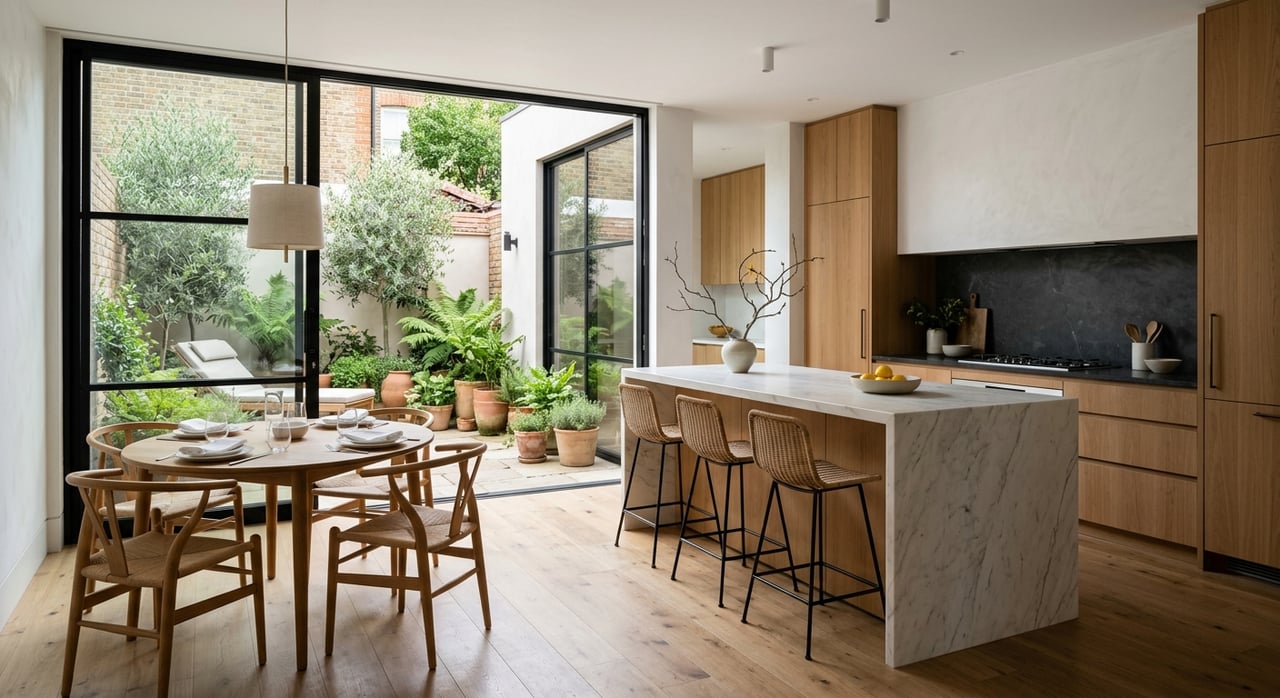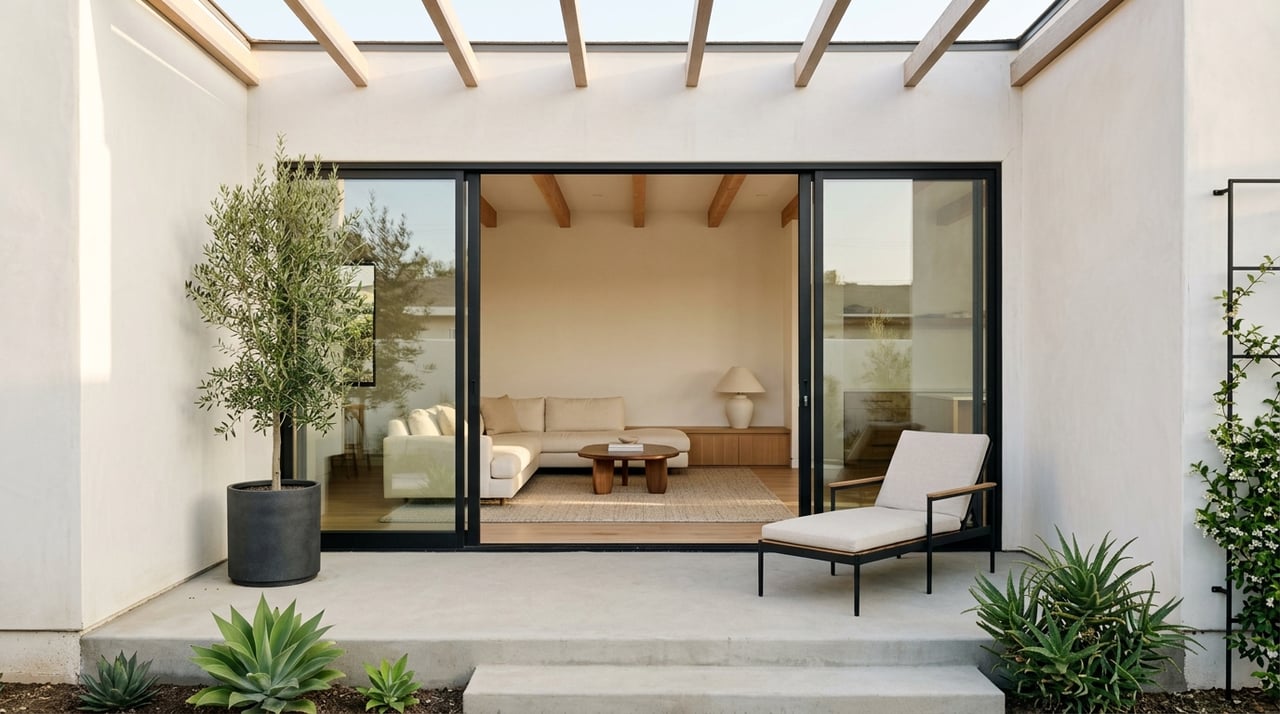
What does everyday life actually feel like in Highland Park? If you are thinking about moving to Northeast Los Angeles, that question matters just as much as square footage or list price. Highland Park stands out because daily life can feel local, connected, and full of character, with historic homes, independent coffee shops, neighborhood parks, transit access, and arts spaces all woven into the same area. Let’s dive in.
Highland Park at a glance
Highland Park is one of Los Angeles’ oldest neighborhoods, with roots as an early streetcar suburb along the Arroyo Seco and Figueroa corridor. According to the Northeast Los Angeles Community Plan, it is also known for its ties to the Arts and Crafts movement and includes part of Historic Route 66.
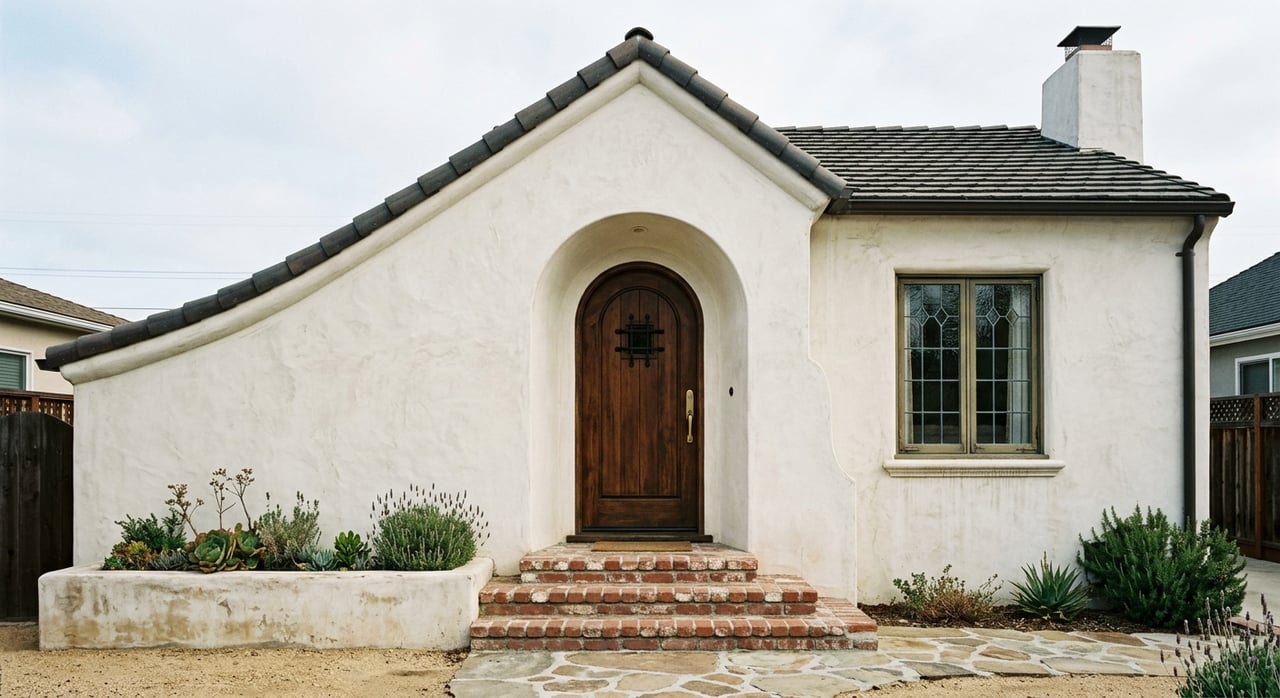
That history still shapes how the neighborhood feels today. The city’s Highland Park-Garvanza preservation overview notes architecture from the 1880s through the 1940s, including Queen Anne, Craftsman, Mission Revival, Tudor Revival, bungalow courts, apartments, duplexes, and four-plexes. In other words, you get a streetscape that feels layered and lived-in rather than overly uniform.
Morning in Highland Park
A typical day here can start simply: coffee, a walk, and a neighborhood errand without needing to leave the area. Highland Park’s commercial activity is spread across connected pockets, especially along Figueroa Street and York Boulevard, which gives the neighborhood an active feel without making it feel like one single busy district.
Independent coffee is part of that rhythm. Cafe de Leche has been on York Boulevard since 2008, Civil Coffee opened on Figueroa in 2015, and Kumquat Coffee on York is open daily from 7 a.m. to 5 p.m. With specialty drinks and breakfast items, spots like these help make mornings feel easy and local.
Midday errands and walkability
One reason Highland Park appeals to so many buyers is that you can build more of your day close to home. By Los Angeles standards, the neighborhood is notably walkable. Walk Score currently rates Highland Park at 77 for walkability, 50 for transit, and 53 for biking.
That does not mean every trip is car-free, but it does mean a lighter-car lifestyle can feel realistic for some routines. Metro serves the area through the A Line, and Highland Park Station even includes artwork that references local Craftsman architecture and the ficus-lined streets nearby. LADOT DASH and local bus service on York further support short trips and daily errands.
Lunch and afternoon stops
By midday, Highland Park gives you a mix of everyday convenience and destination dining. The neighborhood’s food scene reflects both continuity and change, with longtime local favorites alongside newer restaurants that have added to its appeal.
Eater’s coverage of Joy highlights the kind of range you find here, from Taiwanese cuisine at Joy to a German beer garden at Kiez and established neighborhood staple Las Cazuelas. For you as a resident, that mix matters because it supports different kinds of days. You can keep lunch casual, meet friends nearby, or stay in the neighborhood for dinner and drinks later on.
Parks and outdoor time
A big part of living well in Highland Park is having outdoor space close at hand. The neighborhood has a strong local recreation network, which helps balance the urban setting with places to reset, exercise, or spend time with family and friends.
The Highland Park Recreation Center offers sports, music, arts and crafts, camps, a stage, a computer lab, and indoor and outdoor basketball courts. There is also a nearby pool, which adds another layer of local recreation during warmer months.
For a more classic neighborhood park experience, Sycamore Grove Park is a strong local anchor. The city notes that the park was established in 1905 and includes playgrounds, picnic tables, and lighted tennis courts. Nearby Hermon Park adds barbecue pits, a play area, picnic tables, and tennis courts, which gives you more than one easy option for a casual outdoor afternoon.
If you want more elevation and a broader sense of escape, Ernest E. Debs Regional Park expands the picture. Its trails, picnic grounds, and views toward downtown and the San Gabriel Mountains make Highland Park feel connected not just to the city grid, but also to hillside open space.
Arts and neighborhood identity
Highland Park’s personality is not just about architecture and restaurants. The neighborhood has a long-running arts identity that still shows up in everyday life.
The city describes Highland Park as one of Los Angeles’ earliest artist colonies, and that legacy still feels present. LAist reports that former Chicano Arts Collective sites on Figueroa were designated Los Angeles Historic-Cultural Monuments in 2021, reinforcing the area’s deeper cultural history.
There are also smaller, community-centered spaces that add texture to the neighborhood. La Tierra de la Culebra, a pocket art park established in the early 1990s, has hosted Día de los Muertos events, jazz performances, clothes swaps, and art shows. That kind of programming gives Highland Park a community layer that goes beyond retail.
For family-friendly entertainment, Bob Baker Marionette Theater has called Highland Park home since 2019. It adds another reason people often describe the neighborhood as both creative and grounded in local tradition.
What the streets feel like
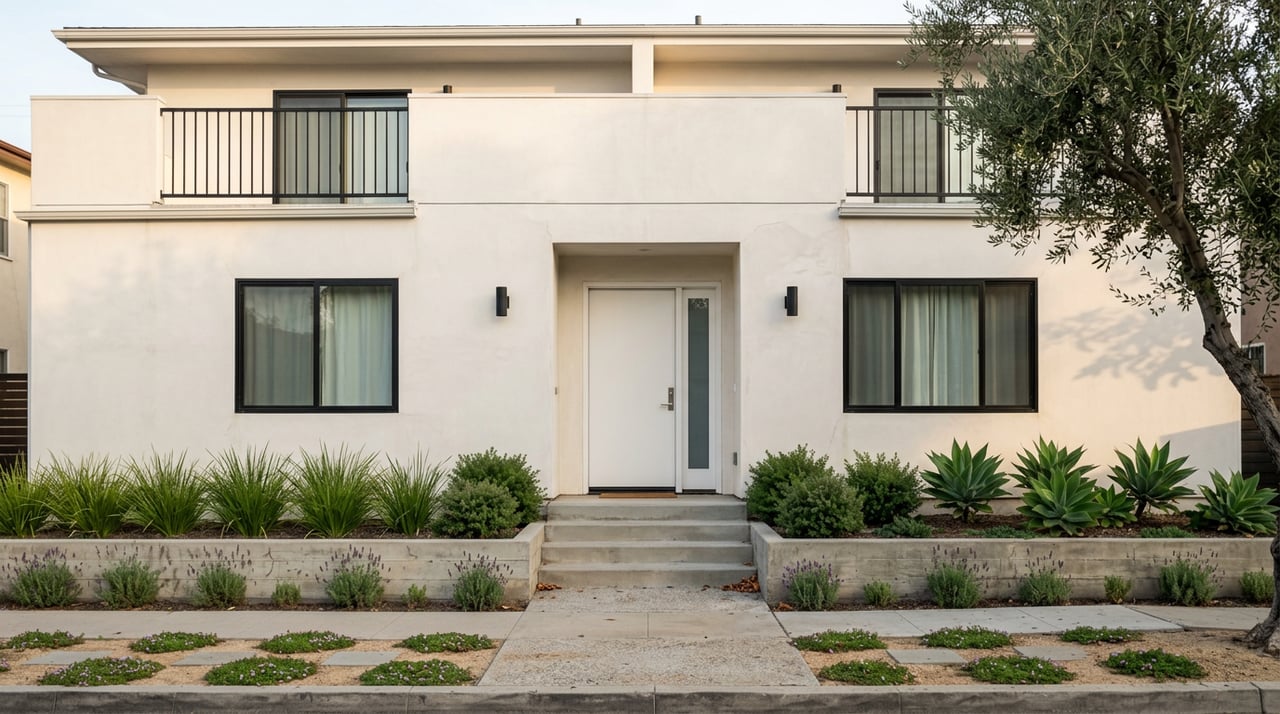
If you spend a full day in Highland Park, one thing becomes clear: the neighborhood does not feel one-note. Some blocks are lined with preserved historic homes, while others include newer infill or a broader mix of housing types. That variety is part of the story.
The city preservation resources note that Highland Park-Garvanza is the city’s largest historic preservation overlay zone, with roughly 4,000 structures and more than fifty Historic-Cultural Monuments. At the same time, planning documents explain that post-1950s demolition pressure and apartment development changed parts of the neighborhood, helping drive preservation efforts.
As a result, Highland Park can feel visually layered from one block to the next. Long-established areas like Garvanza, Hermon, and Mt. Angelus retain distinct identities, which is helpful to know if you are exploring the area with a home search in mind.
Why buyers are drawn here
For many buyers, Highland Park offers a combination that is hard to find in Los Angeles. You get historic housing character, commercial streets with independent businesses, parks and recreation, transit access, and an arts presence, all within a neighborhood that still feels visibly local.
That mix can support many different lifestyles. You might want a charming older home near a coffee shop, a condo or apartment with easier access to transit, or a property that places you close to both neighborhood amenities and larger Northeast LA connections. Highland Park’s appeal comes from how those pieces fit together in daily life.
Seeing Highland Park through a real estate lens
When you are deciding whether a neighborhood fits, it helps to look beyond broad reputation and focus on the details of day-to-day living. In Highland Park, those details include the type of housing on a specific block, your access to York or Figueroa, proximity to parks, and how you want to move through the neighborhood.
That is where local guidance matters. If you are considering a move to Northeast LA, working with an advisor who understands the area block by block can help you narrow in on the right fit, whether you are looking for architectural character, convenience, or a certain pace of daily life.
If you are exploring Highland Park or planning your next move in Northeast Los Angeles, John Kostrey offers thoughtful, neighborhood-focused guidance backed by deep local experience and concierge-level service.
FAQs
What is daily life like in Highland Park, Los Angeles?
- Daily life in Highland Park often centers on local routines like grabbing coffee on York or Figueroa, visiting neighborhood parks, dining at independent restaurants, and mixing city access with a more community-oriented feel.
Is Highland Park walkable for everyday errands?
- Yes, by Los Angeles standards, Highland Park is relatively walkable, with Walk Score rating the neighborhood at 77 for walkability, plus access to transit options like the A Line, DASH, and local bus service.
What kinds of homes are common in Highland Park?
- Highland Park includes a wide range of housing, including single-family homes, duplexes, four-plexes, apartments, bungalow courts, and many historic architectural styles, especially Craftsman homes.
Are there parks and recreation options in Highland Park?
- Yes, Highland Park offers amenities like the Highland Park Recreation Center, Sycamore Grove Park, Hermon Park, and nearby Ernest E. Debs Regional Park for sports, picnics, trails, and outdoor time.
What makes Highland Park different from other Northeast LA neighborhoods?
- Highland Park stands out for its blend of historic housing, established commercial corridors, arts and cultural spaces, neighborhood parks, and transit access, all of which create a compact and distinctly local lifestyle.