Shopping for a home or condo in Santa Monica’s 90401 and wondering if your mortgage will count as a jumbo loan? You’re not alone. In this Westside pocket, many properties list over the standard limits, and that changes how lenders underwrite your file, how fast you can close, and how you write your offer. In this guide, you’ll learn what counts as a jumbo here, what lenders typically expect, how rates and appraisals work, and how to position your offer to win without surprises. Let’s dive in.
What counts as a jumbo in 90401
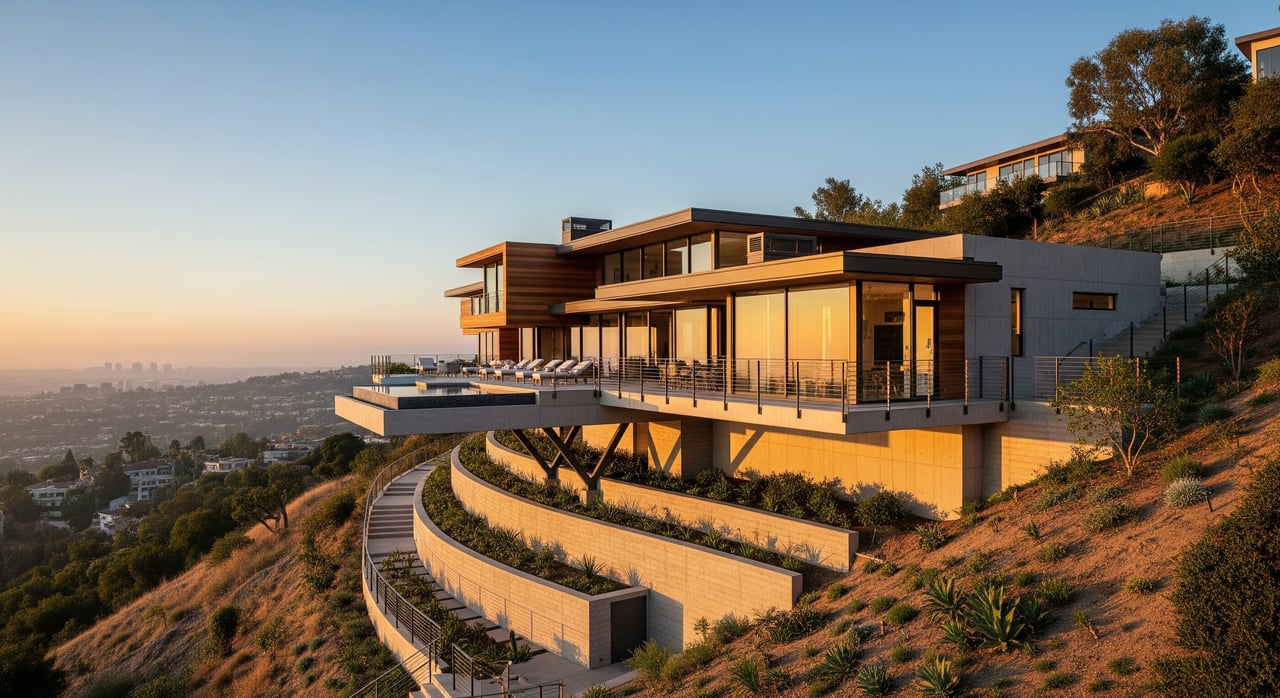
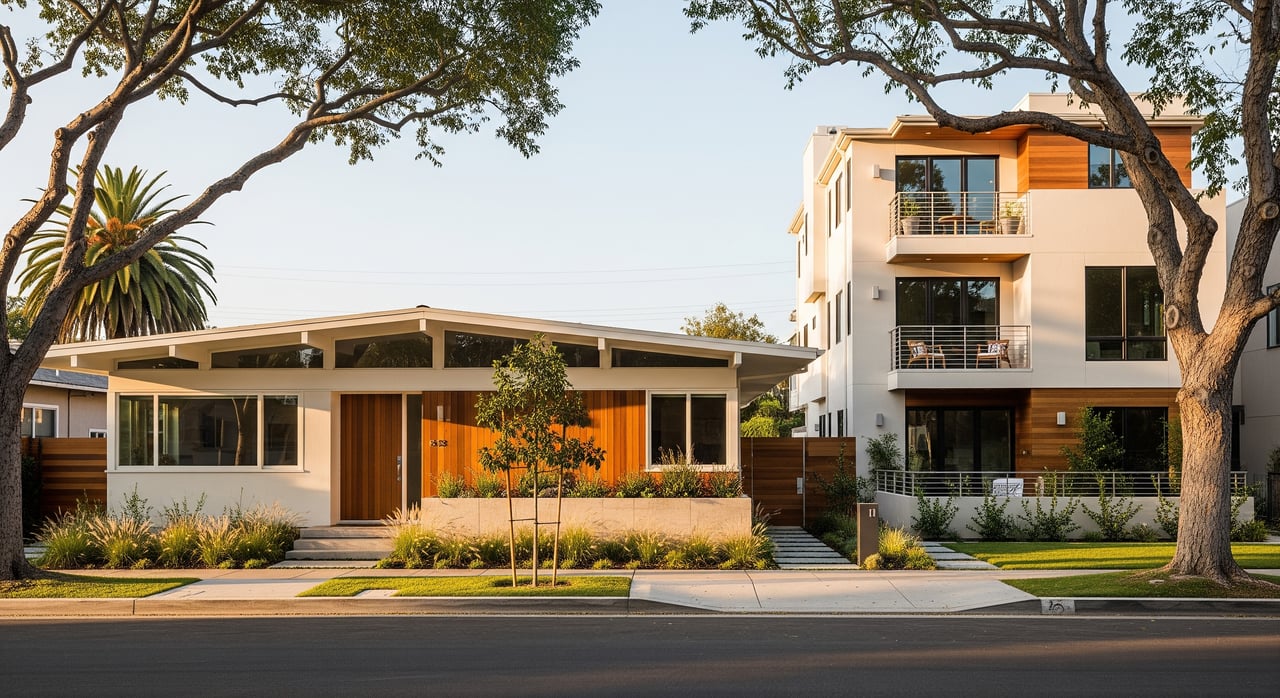
Santa Monica, Venice, and Westwood sit in one of the highest priced parts of Los Angeles County. Many single-family homes and a noticeable share of ocean-adjacent condos exceed federal high-cost conforming limits, which means you’ll often need a jumbo loan.
For context, the Federal Housing Finance Agency publishes conforming loan limits each year. In 2024, the national baseline for a one-unit property was $766,550, and the high-cost area limit was about $1,149,825. Los Angeles County is a high-cost county. When your loan amount is above the applicable high-cost limit, it is a true jumbo that requires non-agency or portfolio financing. Limits change annually, so always confirm the current year’s number when you are ready to write an offer.
Quick rule of thumb
- Single-family homes on the Westside often exceed the high-cost limit. Plan for jumbo financing.
- Many condos fall under the limit, but ocean-view, newer, or boutique units can push your loan amount above the cap, especially in 90401.
How to tell if your loan is jumbo
Use this simple check:
- Estimate your target price and down payment. If the resulting loan amount is above the current high-cost limit for Los Angeles County, you are in jumbo territory.
- If you are close to the limit, ask your lender to price both scenarios. Sometimes a slightly larger down payment keeps you inside conforming or high-balance guidelines, which can change pricing and documentation.
Typical jumbo requirements
Jumbo underwriting is lender-specific, and policies can change quickly. Still, most Westside buyers will see similar themes.
Down payment and LTV
- Expect 10 to 20 percent down minimum for primary residences, depending on the lender and product.
- Many portfolio lenders ask for 20 percent or more to unlock the best pricing and fewer overlays.
- Second homes and investment properties often require 20 to 30 percent down or higher.
- True jumbos do not use standard PMI. Lenders may instead require larger down payments or offer lender-specific insurance options for higher loan-to-value scenarios.
Cash reserves
- Plan on 6 to 12 months of reserves covering principal, interest, taxes, insurance, and HOA dues for a primary residence.
- Second homes and investment properties usually require more.
- Some lenders only count liquid assets. Others may include retirement accounts with discounts.
Credit score and DTI
- Mid 700s (720 and above) is common for best pricing.
- Some lenders consider borrowers in the high 600s with strong compensating factors, such as larger down payments, low DTI, or significant reserves.
- Many jumbo programs like DTI at or below about 43 percent, with some allowing up to roughly 45 to 50 percent if the rest of your profile is very strong.
Income and documentation
- Full documentation remains the norm: recent pay stubs, W-2s, tax returns, and verification of assets.
- Self-employed buyers may consider non-QM or bank-statement programs, but these usually require higher rates, larger down payments, and more reserves.
Occupancy matters
- Primary residences receive the most favorable terms.
- Second homes and investment properties carry higher standards across down payment, reserves, and rate.
Jumbo rates and pricing
Jumbo loans price differently than conforming loans because they are typically held in a lender’s portfolio or sold to private investors. Liquidity, investor appetite, and bank balance sheet conditions all play a role.
Why jumbo rates differ
- Conforming loans benefit from agency guarantees. Jumbos do not, so investor demand and bank funding costs can push rates up or down.
- At times, jumbo rates can be lower than conforming. At other times, they run higher. It is cyclical and lender-dependent.
What shapes your rate
- Credit score and loan-to-value.
- Documentation type. Full doc usually prices better than bank-statement or other alternative-doc programs.
- Occupancy and property type.
Lock and float-down
- Rate lock policies vary widely in jumbo lending. Some lenders offer float-down features for a fee if market rates improve before close.
- If you are shopping in competitive segments like 90401 condos or single-family homes, ask about rate holds and lock extensions before you write an offer.
Appraisals and condos in Santa Monica
High-value Westside properties come with appraisal dynamics you should plan for early.
High-value appraisal challenges
- Comparable sales can be scarce, especially for unique homes or one-of-a-kind ocean views.
- Appraisers must adjust for condition, renovations, lot value, and view premiums. Those adjustments can be subjective.
- Scheduling can take longer because high-end appraisers are in demand.
Condo project reviews and HOA health
- For jumbo loans, the lender sets project requirements. Some require full project review and higher reserves.
- HOA financials, delinquency rates, and any known special assessments are scrutinized. Higher HOA dues impact your DTI and reserve calculations.
- Small projects and mixed-use buildings can face additional review.
Strategies to manage appraisal risk
- Ask your agent to prepare a comps packet and a summary of renovations to share with the appraiser.
- Consider appraisal contingency language that anticipates potential gaps. In competitive cases, buyers and sellers sometimes negotiate appraisal gap coverage or targeted credits.
- Build extra time into your contract for appraisal scheduling and review.
Lender options that work on the Westside
Different lender channels serve jumbo buyers in 90401 and nearby neighborhoods.
Portfolio lenders and private banks
- Local, regional, and private banks often keep jumbo loans on their balance sheets and can be flexible for high-net-worth borrowers.
- Relationship programs may combine a first mortgage with a secured line of credit or offer custom documentation solutions.
Mortgage brokers vs direct lenders
- Brokers can shop multiple jumbo investors and programs.
- Direct lenders control their own overlays and timelines, which can speed up decisions.
Non-QM and alternative-doc
- Bank-statement, asset-depletion, and other non-QM products can help self-employed buyers or those with nontraditional income.
- Expect higher rates, stricter LTV caps, and larger reserve requirements.
Rate and fee tradeoffs
- Some portfolio or private-bank options include higher origination fees or deposit requirements in exchange for better pricing or flexibility.
Offer strategy and timeline in 90401
Your financing presentation can be the difference between acceptance and a counter in Santa Monica.
Pre-approval that wins
- Get a full, asset-verified pre-approval before touring. Proof of funds for down payment and reserves adds credibility when you submit.
- Ask your lender for a letter that confirms timeline expectations for appraisal, underwriting, and any condo project review.
Contingencies and timing
- Jumbo underwriting can match or slightly exceed conforming timelines. Plan on about 30 to 45 days to close, longer if your file or property is complex.
- Factor in extra lead time for appraisals and condo reviews. If you plan to shorten contingencies, be sure your lender and appraiser are ready to move.
Renovation and bridge paths
- If you plan significant work post-close, ask about renovation jumbo products or pairing your first mortgage with a line of credit.
- In tight timelines, some buyers explore bridge options. Structure these carefully with your lender and agent.
Your next steps
- Gather documents: recent bank and retirement statements, pay stubs, W-2s or tax returns, and explanations for large deposits.
- Check your likely loan category: based on your target price and down payment, estimate whether your loan amount will exceed the current high-cost limit for Los Angeles County.
- Speak with jumbo-experienced lenders early: confirm acceptable loan-to-value, reserve, DTI, and documentation ranges for your price point and property type.
- Prepare for the appraisal: line up comps, renovation notes, and, for condos, HOA documents and budgets to streamline the review.
- Map the timeline: build in extra time for appraisal and any condo project review, and coordinate financing contingencies with your offer strategy.
Buying in Santa Monica’s 90401 puts you in a market where jumbo financing is common and preparation matters. With the right pre-approval, clear documentation, and a smart plan for appraisals and contingencies, you can compete with confidence and close smoothly. If you would like an introduction to a local jumbo lender or a tailored pre-approval game plan for a specific property, connect with John Kostrey for a warm, confidential consultation.
FAQs
How much down payment is typical on a $1.6M Santa Monica home?
- That price usually creates a true jumbo in Los Angeles County. Many lenders ask for 15 to 25 percent down, with 20 percent or more and strong reserves often unlocking better pricing.
Are jumbo mortgage rates always higher than conforming rates?
- Not always. Jumbo rates can be higher or lower depending on market spreads, bank funding costs, and your profile. Pricing is lender- and borrower-specific.
Can I qualify for a jumbo using a bank-statement program?
- Yes. Non-QM and bank-statement jumbos exist for self-employed buyers but typically come with higher rates, stricter LTV caps, and larger reserve needs.
Will a Santa Monica condo be harder to finance with a jumbo?
- It can be. Lenders review condo project eligibility and HOA financial health closely. Small projects, high delinquency, or pending assessments increase scrutiny, which can add time and conditions.